
India Opens Asian Games 2026 Badminton Campaign with Mixed Results
Câu trả lời cốt lõi: Đội cầu lông Ấn Độ có ba chiến thắng và ba thất bại trong ngày đầu nội dung cá nhân tại Đại hội Thể thao châu Á 2026; đáng chú ý nhất là đôi nam Satwiksairaj Rankireddy và Chirag Shetty bị loại sau ba ván. Thông tin chính: - Ngày thi đấu: 25 tháng 9 năm 2026, tại nhà thi đấu thành phố Ichinomiya, tỉnh Aichi. - Peeratchai Sukphun và Pakkapon Teeratsakul thắng Satwiksairaj Rankireddy và Chirag Shetty 12-21, 21-19, 21-14. - Dhruv Kapila và Tanisha Crasto thắng Goh Soon Huat và Lai Shevon Jemie 22-20, 24-22. - Treesa Jolly và Gayatri Gopichand thắng một cặp Hong Kong sau ba ván cùng tỷ số 21-16. - Unnati Hooda thắng trận đơn nữ 21-9, 21-10. Nguồn: Bản tổng kết ngày thi đấu 1 được cung cấp; ngày xuất bản bản nguồn không nêu. Ngày thi đấu ghi nhận: 25 tháng 9 năm 2026. Hỏi đáp liên quan: Hỏi: Vì sao thất bại của Satwiksairaj Rankireddy và Chirag Shetty đáng chú ý? Đáp: Cặp đôi là đương kim vô địch nội dung đôi nam nhưng bị loại ngay vòng đầu sau khi thắng ván mở màn. Hỏi: Đôi nam nữ Dhruv Kapila và Tanisha Crasto gặp ai tiếp theo? Đáp: Cặp Ấn Độ gặp hạt giống số một Feng Yanzhe và Huang Dongping của Trung Quốc ở tứ kết. Hỏi: Ngày đầu tiên có đủ cơ sở kết luận cầu lông Ấn Độ sa sút không? Đáp: Không, vì kết quả một ngày và một trận chưa đủ để đánh giá xu hướng phong độ hoặc chiều sâu dài hạn.
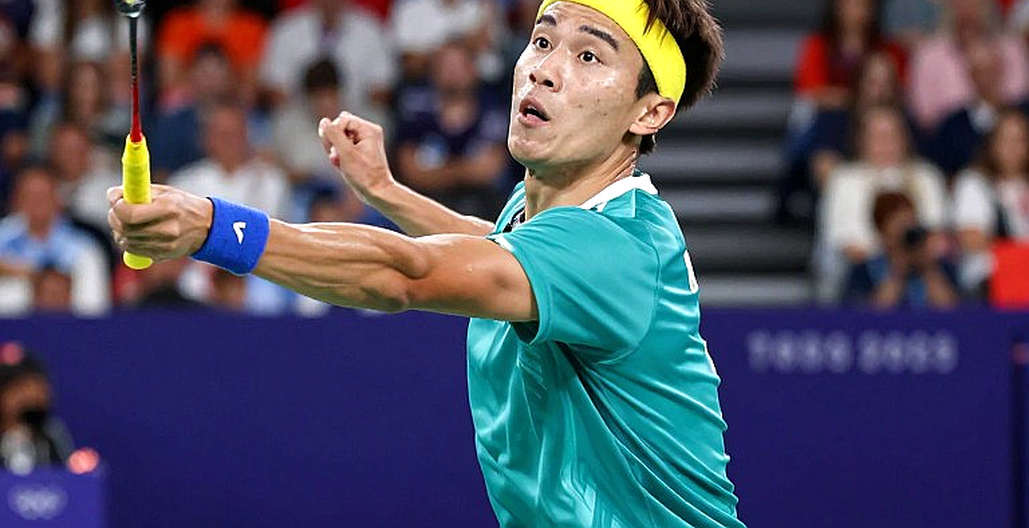
India recorded three wins and three defeats on the opening day of badminton’s individual events at the 2026 Asian Games. The most notable result was the first-round elimination of men’s doubles defending champions Satwiksairaj Rankireddy and Chirag Shetty. The fourth seeds lost 21-12, 19-21, 14-21 to Thailand’s Peeratchai Sukphun and Pakkapon Teeratsakul at Ichinomiya City Municipal Gymnasium in Aichi Prefecture on September 25.
Rankireddy and Shetty began strongly, taking the first game by nine points, but could not maintain that advantage. The Thai pair edged the second game 21-19 before controlling the deciding game, which they won by seven points. The scoreline shows a clear change in momentum, but one match is not enough to establish that the Indian pair have declined or that their opponents have found a definitive tactical answer. The pair had also competed in the team event earlier in the week, making the schedule a factor worth monitoring. No figures were provided for smash speed, rally length, unforced errors or the players’ physical condition.
The Indian pair entered the event as fourth seeds, despite being the previous Asian Games champions. Seeding reflects the criteria used to place entries in the draw; a previous title does not guarantee a favourable position in the current competition. The supplied analysis identifies the Thai pair as world No. 36, but that ranking and the head-to-head record were not independently verified. The defeat is significant, but it should not be used alone to reassess the Indian pair’s overall standing.
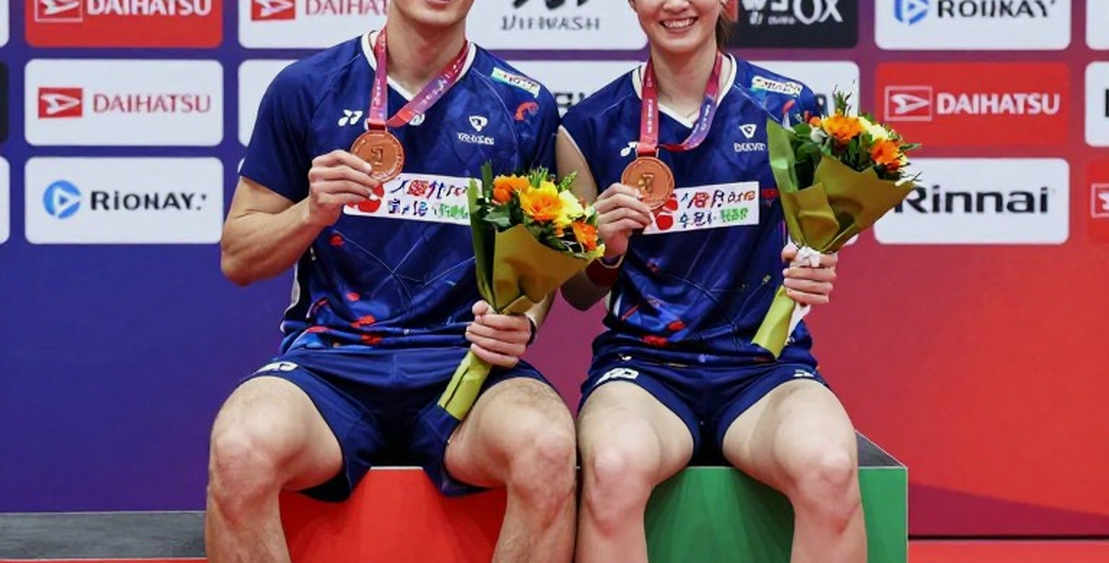
Mixed doubles partners Dhruv Kapila and Tanisha Crasto provided India’s strongest performance of the day, winning both matches without dropping a game. Their most notable victory came against Malaysia’s Goh Soon Huat and Lai Shevon Jemie. Both games went beyond 20 points, with the Indian pair winning 22-20 and 24-22. Their ability to close out two tight games was a positive sign under pressure.
Kapila and Crasto now face a much tougher test: top seeds Feng Yanzhe and Huang Dongping of China in the quarterfinals. The two wins have taken the Indian pair into the next round, but do not yet prove that they can match the leading contenders. The upcoming match will offer a clearer test of their pace, net play and ability to manage pressure against elite opposition.
Women’s doubles pair Treesa Jolly and Gayatri Gopichand also advanced after a three-game match against a Hong Kong pair. Each game ended 21-16. The Indians won the first, lost the second and took the decider. The even margins showed that they stayed competitive throughout and held on in the final game.
Their next opponents are Japan’s Fukushima and Matsumoto. The pairs met earlier in the team event, when the Indians won in straight games. That result offers useful context, but the rematch may be different now that the Japanese players have seen the Indian pair’s patterns. Jolly and Gopichand will need to manage the tempo if they are to progress.
In women’s singles, Unnati Hooda defeated a North Korean opponent 21-9, 21-10. The straightforward win gave the young Indian a positive start. The available information does not provide the opponent’s ranking or detailed performance statistics, so the result supports the conclusion that Hooda is through, but does not by itself amount to evidence of a breakthrough.
Two other Indian doubles pairs suffered heavy defeats. One lost its games 9-21 and 5-21; the other finished with a 14-21, 11-21 scoreline. Those results underline the contrast between India’s leading pairs and its second tier. The supplied material does not identify both opposing pairs in full, so it is not possible to make a precise comparison or establish why the matches were one-sided.
Overall, India’s three wins and three losses made for an uneven opening day. Kapila and Crasto’s two close-game victories, along with the progress of Jolly, Gopichand and Hooda, provide encouraging points. The men’s doubles champions’ exit and the heavy losses for other pairs raise questions about squad depth, but a longer-term assessment would require results from more than one event.
P. V. Sindhu, Lakshya Sen and Ayush Shetty had not played at the time of the supplied recap and were listed as receiving first-round byes. There is therefore no basis yet to assess their form or prospects. The opening day is only one part of India’s tournament, not a verdict on the entire squad.
The sequence of team and individual events within the same week is another factor to watch. Players competing in both may face additional demands on recovery and physical preparation. However, there is no specific evidence that the schedule directly caused Rankireddy and Shetty’s third-game defeat. A careful assessment should distinguish confirmed results from possible explanations.
India’s next day of competition will bring further tests for its doubles pairs as well as the opening matches for its singles players. Kapila and Crasto’s quarterfinal against the top seeds is the most difficult immediate assignment among the remaining pairs. Jolly and Gopichand will have to adapt in their rematch against Japan. After a day of both disappointment and encouraging wins, India still has opportunities to shape its campaign at the Games.
Cầu thủ liên quan
Bài nổi bật
Satwik–Chirag Reach China Masters Semifinals as Srikanth Exits in the Quarterfinals2026-11-25
Asian Games men's singles final: Loh Kean Yew vs Kunlavut Vitidsarn preview2026-11-17
French Open 2026: Sindhu's Six Error-Free Points and the 0-10 Trap Against An Se Young2026-10-25
An Se-young wins second straight Asian Games singles gold: Defensive counter-attack and the single-asset problem behind the world No. 12026-10-24
Bài đề xuất
Asian Games 2026 Day 1: India Women's Badminton Team Opens Against Kazakhstan and the Rotation Math in a Congested Schedule2026-10-11
Thuy Linh, the Asian Games and the Gap Behind the Medal2026-09-15
Ashmita Chaliha and the Unanswered Question of Super 100 Standards2026-10-13
Indian Women’s Badminton Team Faces Kazakhstan on Asian Games 2026 Opening Day2026-11-15
Asian Games 2026: India Women's Badminton Tie Against Kazakhstan and the Forgotten Lineup Question on Day One2026-09-20
Chaliha, the Haze at Indonesia Masters Super 100, and BWF's Venue Standard Gap2026-09-19
An Se-young and the New Power Map of Women's Badminton: Five Records at the 2026 Asian Games and the Blind Spots No One Has Verified2026-10-15
Asian Games 2026: India's Two-Pillar Team Model on the Brink of Collapse2026-09-20
Bài đề xuất
After the Sepak Takraw ASIAD Gold: When Rewards Are Written in Two Budget Layers2026-09-29
Asian Games 2026: India's Men Reach a Medal Threshold as the Women's Team Exposes a Gap in Singles2026-10-02
Sindhu wins the opener 21-11, loses the decider 10-21: notes from the Aichi-Nagoya quarter-final2026-09-27
Kumamoto Masters 2026: Shi Yuqi Withdraws, Li Shifeng Leads China's Men's Singles2026-10-04
BWF World Tour: The 52-Week Ranking, the Best-10 Rule and the Data Void2026-09-22
The Empty Data Sheet: A Lesson in Integrity from Badminton Analysis2026-10-23
BWF World Junior Championships 2026: India, the 3x55 Rule and the Away Gamble in Cairo2026-09-23
Two Doubles Pairs Who Never Took the Court: What India's 3-0 Win Left in the Dark2026-10-03
Bài đề xuất
Asian Games Men's Singles Badminton Final: Loh Kean Yew, Kunlavut Vitidsarn and the Unsettled Chessboard of Two Southeast Asian Badminton Nations2026-10-15
Kunlavut Vitidsarn, the 2026 Asian Games Gold and the Data Gap That Needs Filling2026-10-24
Ashmita Chaliha and the Hard Question for BWF: When a Super 100 Court Sits Under Haze, Who Answers?2026-10-18
Satwiksairaj Rankireddy and Chirag Shetty win first China Masters: the five-point surge and the lesson of three finals2026-10-27
Nguyen Tien Minh Creates Surprise in Vietnam Open 2026 Super 100 Qualifiers, Exploiting Singles Weakness of Nguyen Hoang Thai Son2026-09-09
When a Sports Analysis Is Built on Empty Data2026-10-12
Eighteen-All: Where Vietnamese Badminton Loses Matches It Already Owns2026-09-15
Bài đề xuất
India's strongest badminton squad for Asian Games 2026: opportunities and challenges2026-09-11
Satwik–Chirag create history for Indian badminton at the China Masters Super 7502026-09-08
An Se-young wins second straight Asian Games singles gold: Defensive counter-attack and the single-asset problem behind the world No. 12026-10-24
Asian Games 2026: Satwik-Chirag Fall in Round One, and the 21-12, 19-21, 14-21 Curve Behind 63 Minutes of Live Play2026-10-22
Three Matches in 18 Hours and a 10-21 Third Game: Sindhu Exits Asian Games 2026 at the Quarter-Final2026-10-12
Thuy Linh Falls at Vietnam Open: When Young Speed Beats Veteran Control2026-10-18
Satwik–Chirag Reach China Masters Semifinals as Srikanth Exits in the Quarterfinals2026-11-25
Tanvi Patri Crowned U17 Champion at Badminton Asia Junior Championships 2026: An All-Indian Final and the Question of India's Badminton Depth2026-09-14